Vanishing Black Bars & Lounges: The Inheritance
A multimedia project on stewardship, aging, and the future of Black cultural institutions across the United States
A multimedia investigation into Black bars as multi-generational institutions navigating succession, stewardship, and cultural inheritance.
INTRODUCTION
From Disappearance to Inheritance

Come Tuesday (Marwan Pleasant at Sportsman's Corner), New Orleans from the series Vanishing Black Bars & Lounges, 2018
Words and Imagery by L. Kasimu Harris
In New Orleans and across the African diaspora, Black bars have long functioned as informal civic institutions—places where culture is transmitted, businesses are launched, political ideas are debated, and community is sustained across generations. They are home to social aid and pleasure clubs, Black Masking Indian traditions, musicians, laborers, entrepreneurs, and neighborhood regulars. Historically, they offered refuge from a segregated and hostile public sphere. In New Orleans, records of Black gathering spaces date back to the late nineteenth century—rooms alive with music, dancing, fellowship, and survival.
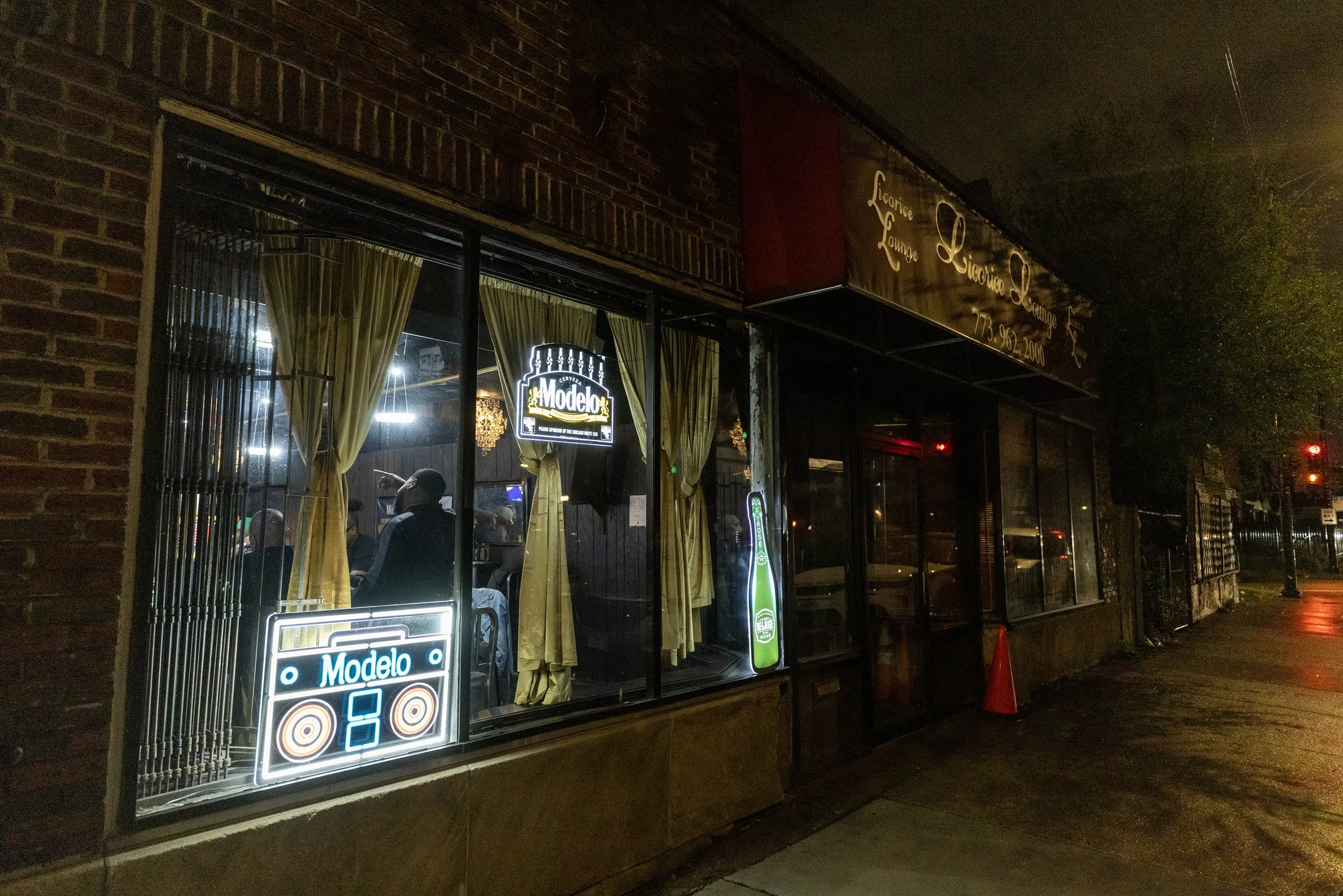
Since 2018, I have documented Black bars across New Orleans, Pittsburgh, Detroit, Chicago, Los Angeles, Clarksdale, Columbus, and the Caribbean island of St. Lucia. The longest-running thread in the project follows Sportsman's Corner, a New Orleans neighborhood bar established in the 1960s by the Elloie family and now operated by its third generation. In February 2020, I interviewed second-generation owner Theresa Elloie, who died a month later from COVID-19. Her son continues to operate the business today. Sportsman's Corner became an early lesson in what this work was truly about: not simply the disappearance of institutions, but the transfer of memory, responsibility, and cultural stewardship from one generation to the next.
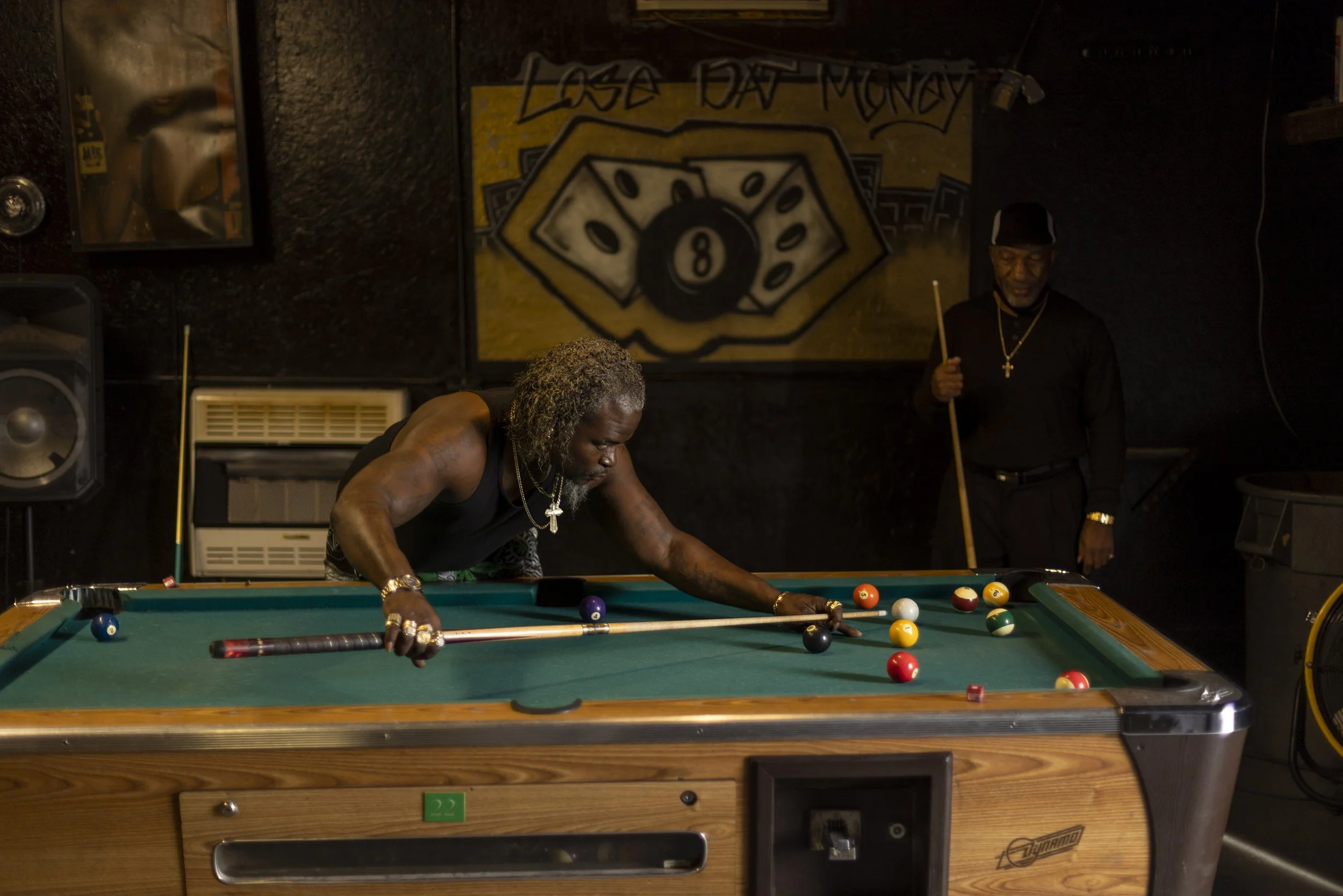
Today, many of these institutions stand at a crossroads. Neighborhoods are being reshaped by redevelopment, rising property values, and changing demographics. Some interiors appear frozen in time—decades-old wood paneling, worn barstools, handwritten signs—now coexisting with flat screens and digital payment systems. In other spaces, the transition is visible in the patrons themselves. Within a single frame, past, present, and future converge.
What began as a documentation of disappearing Black bars has evolved into an examination of stewardship, succession, and cultural inheritance. What happens when institutions outlive the generation that built them? Who assumes responsibility for preserving spaces that have served as repositories of memory, culture, and community for decades? Across the project, I have encountered aging founders, family successors, longtime proprietors, and a growing number of younger professionals entering the bar business as a form of cultural preservation. Their stories reveal not only what is being lost, but also how communities attempt to sustain themselves through periods of transition.
If these establishments were in the Mississippi Delta, they might be called juke joints. In South Africa, shebeens. Across the African diaspora, they have functioned as a sanctuary, stage, business incubator, and civic arena. Yet their significance is often most visible at the moment they are threatened, transformed, or gone.
Five photographs from this series were recently acquired by the Museum of Modern Art for its permanent collection and featured in New Photography 2025: Lines of Belonging.
INHERITANCE REALIZED
Sportsman's Corner
New Orleans, Louisiana
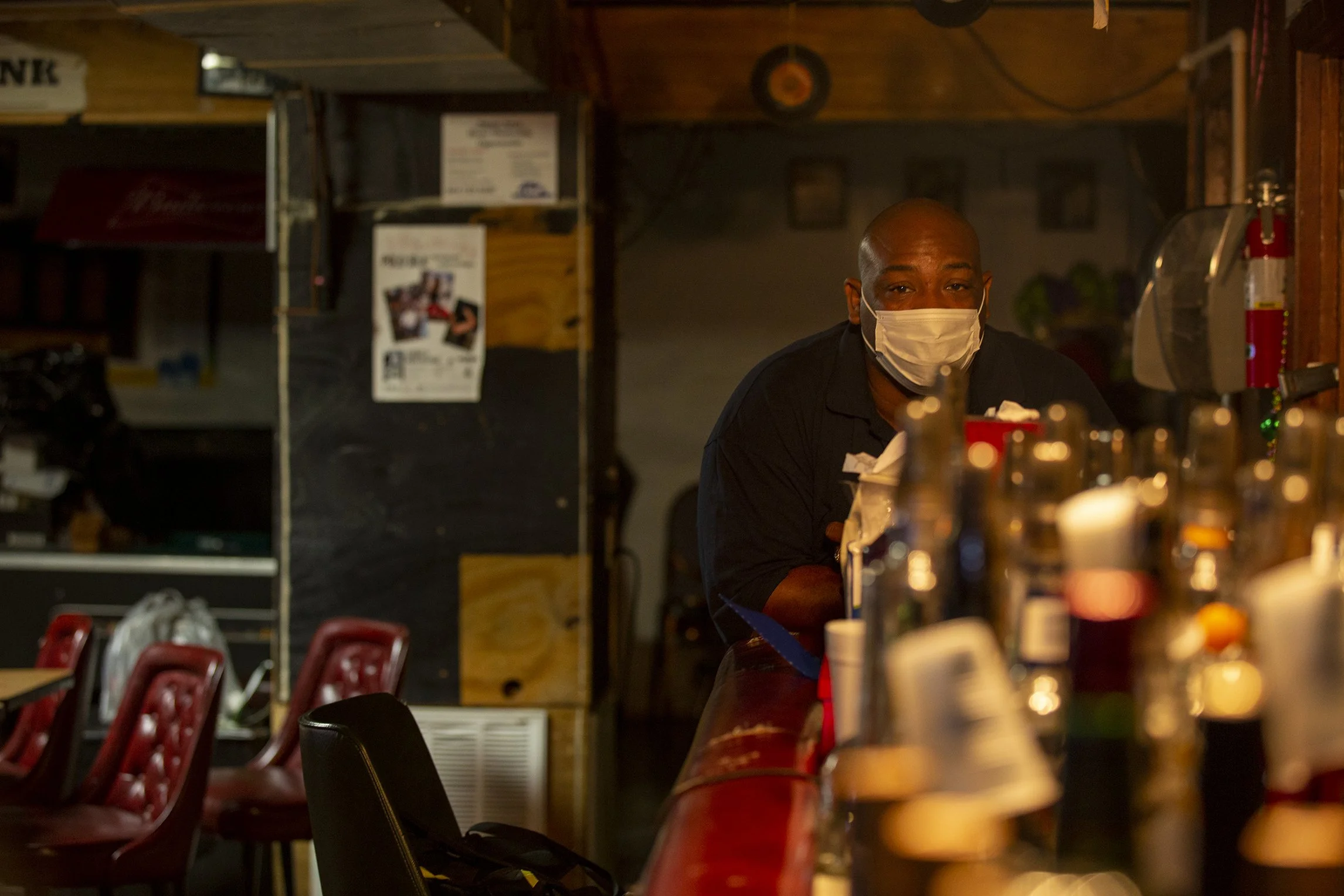

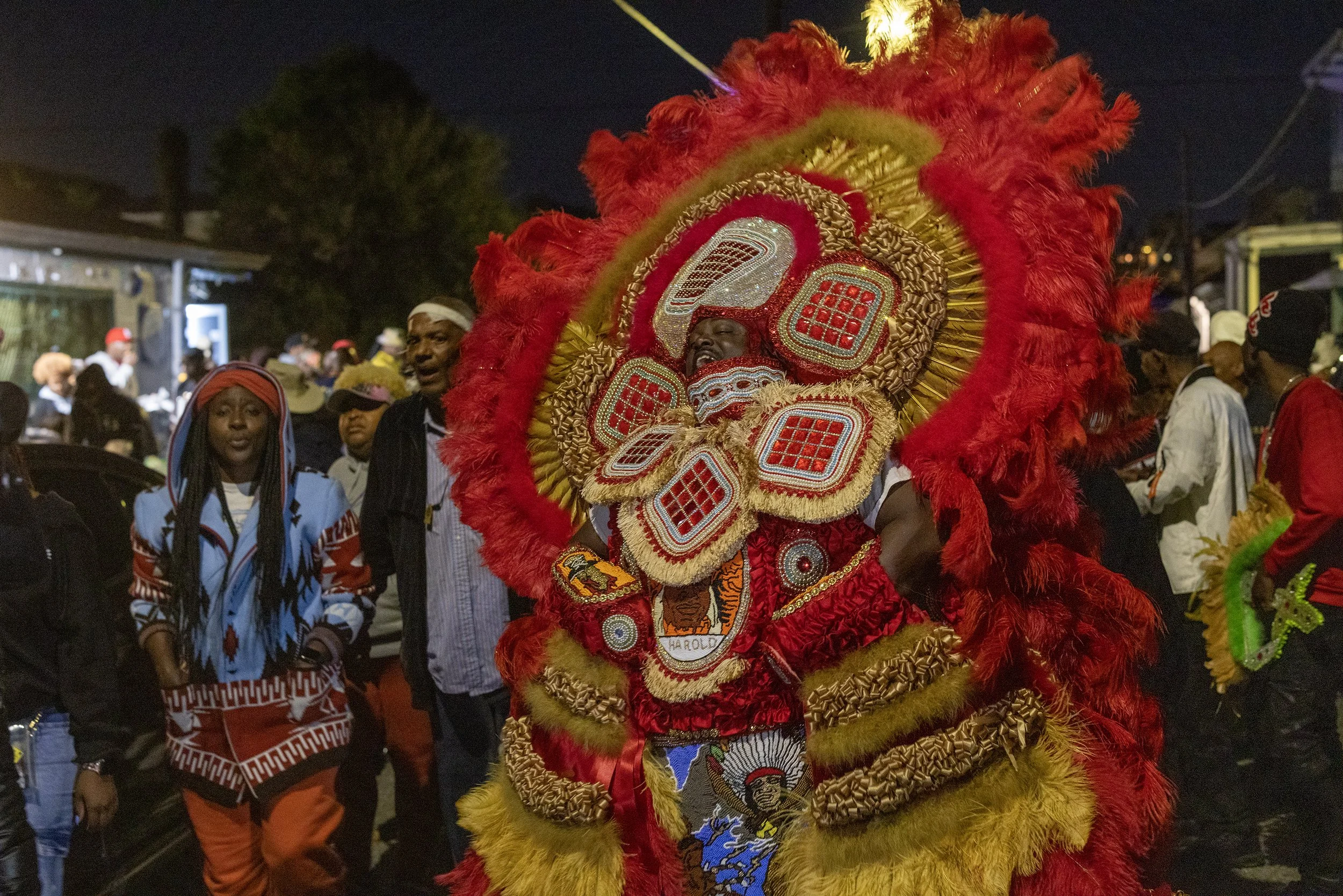

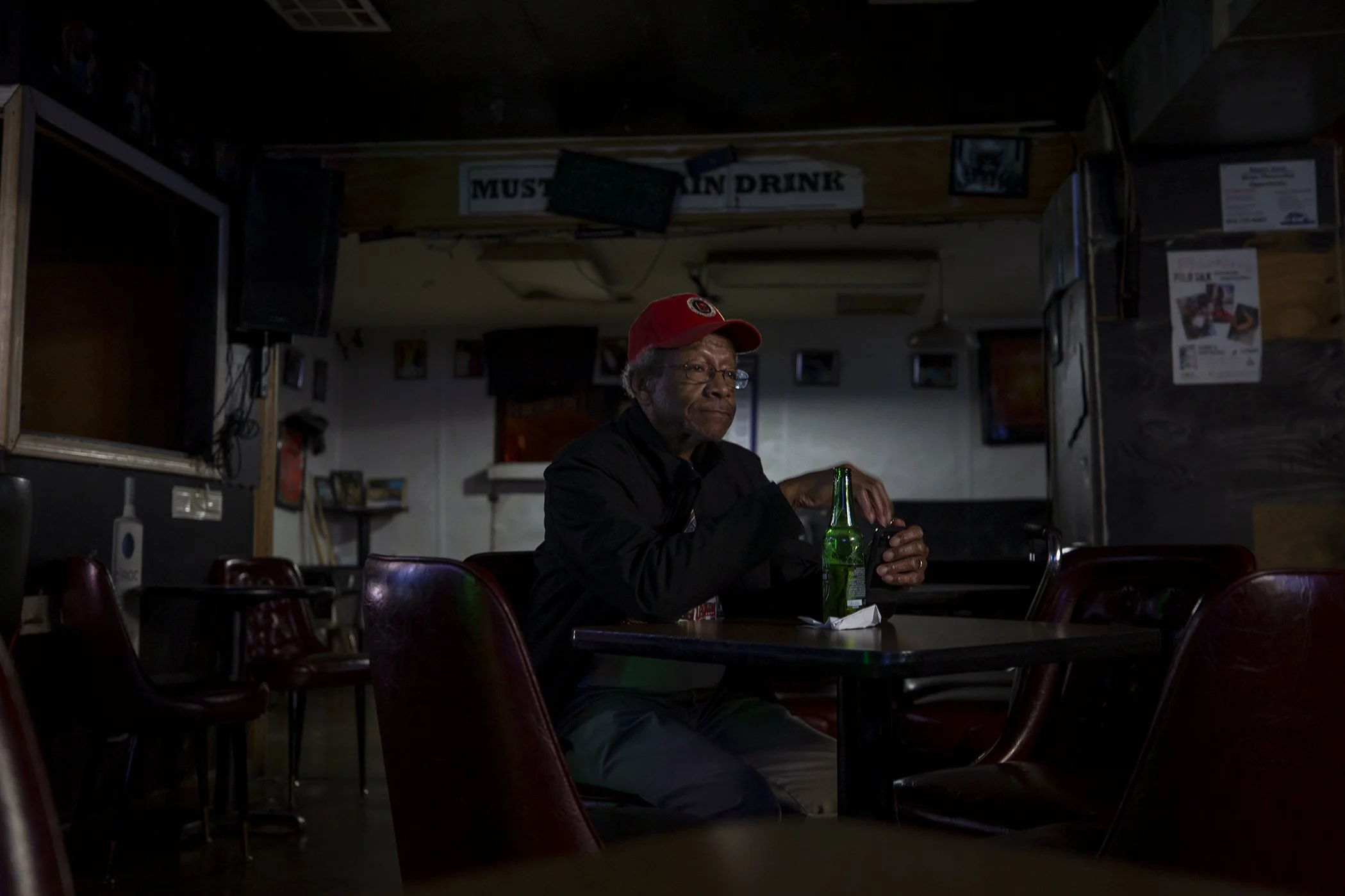
Sportsman's Corner provides one answer to the central question of this project.
Established in the 1960s by the Elloie family, the bar has remained in continuous family ownership across three generations. In February 2020, I interviewed second-generation owner Theresa Elloie. One month later, she died from COVID-19. Today, her son continues operating the business.
While many institutions struggle with succession, Sportsman's Corner demonstrates how cultural stewardship can successfully transfer across generations.
The story of Sportsman's Corner transformed this project. It shifted my focus away from disappearance alone and toward the broader question of inheritance.
An Excerpt From Theresa Elloie’s Last Interview in 2020. Her father opened Sportsman’s Corner Bar in the 1960s. She died, unexpectedly, during the early stages of the Global Pandemic. Her son, Steven, continues their legacy of owning and operating the bar.
THREE CITIES. THREE OUTCOMES.
The State of Black Cultural Institutions
This project follows Black neighborhood bars as they move through cycles of survival, loss, and continuity across generations. Moreover, these stories are entry points into a much larger national and diasporic investigation.
Survival
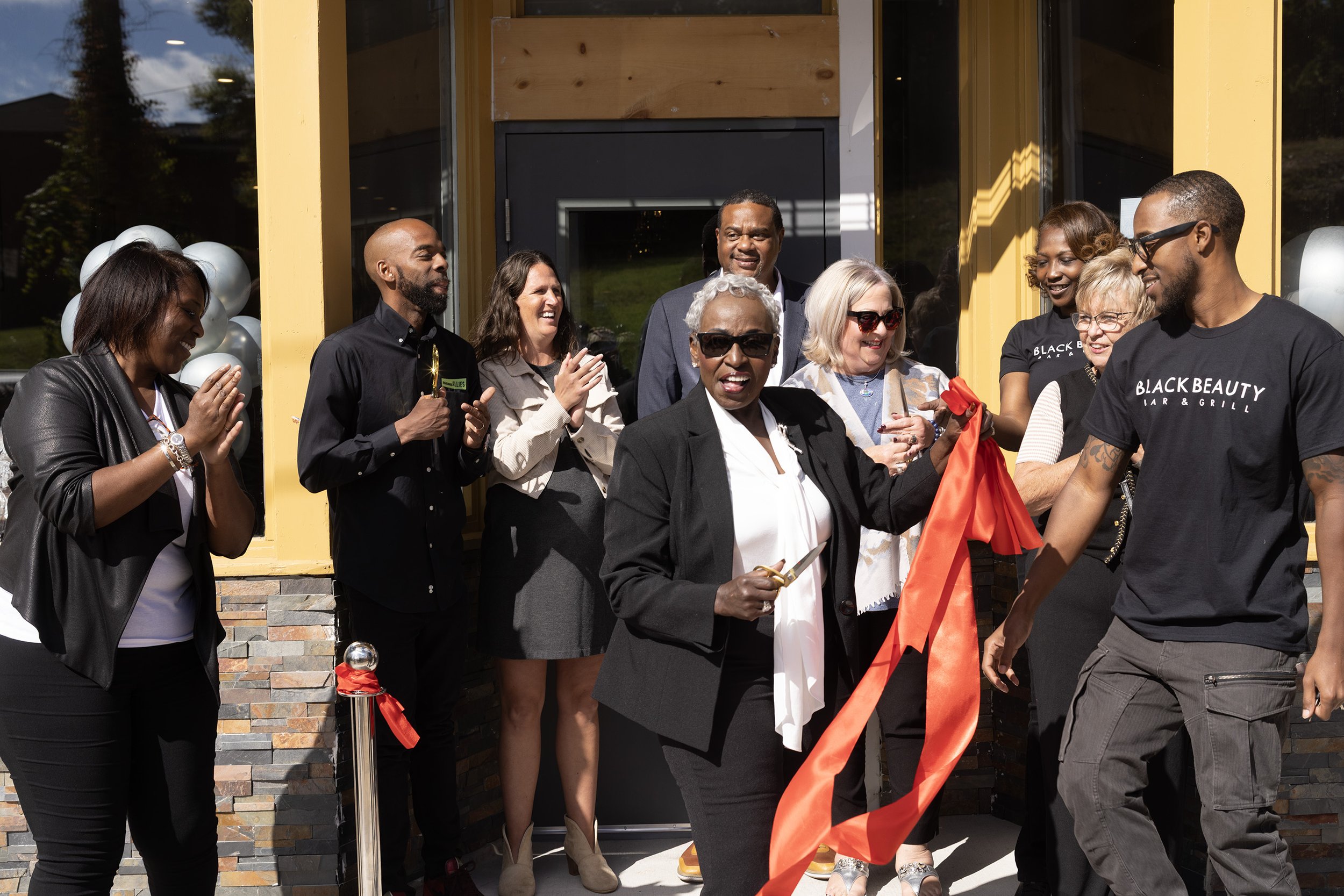
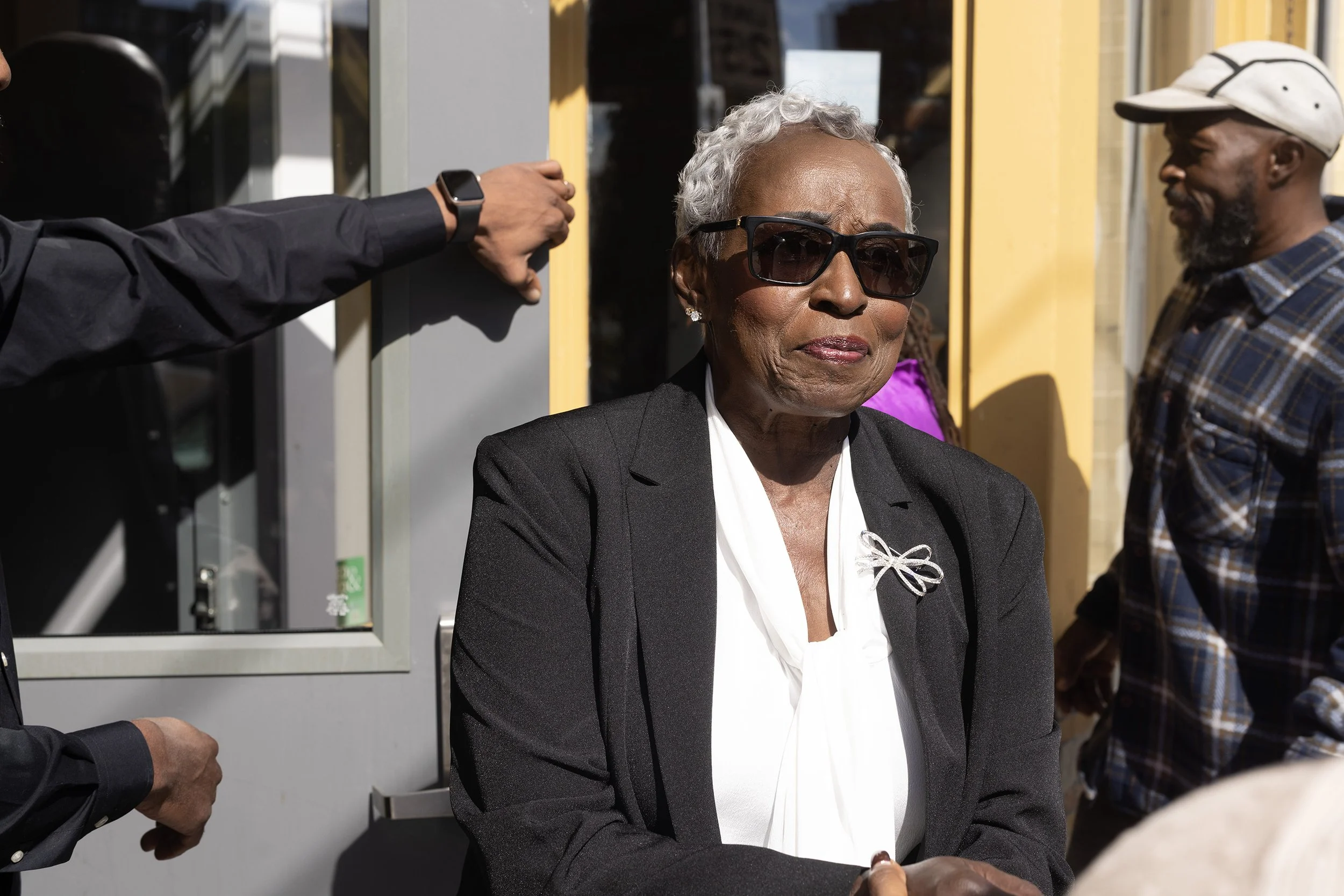
Roberta "Ms. Bert" Brassell (83)
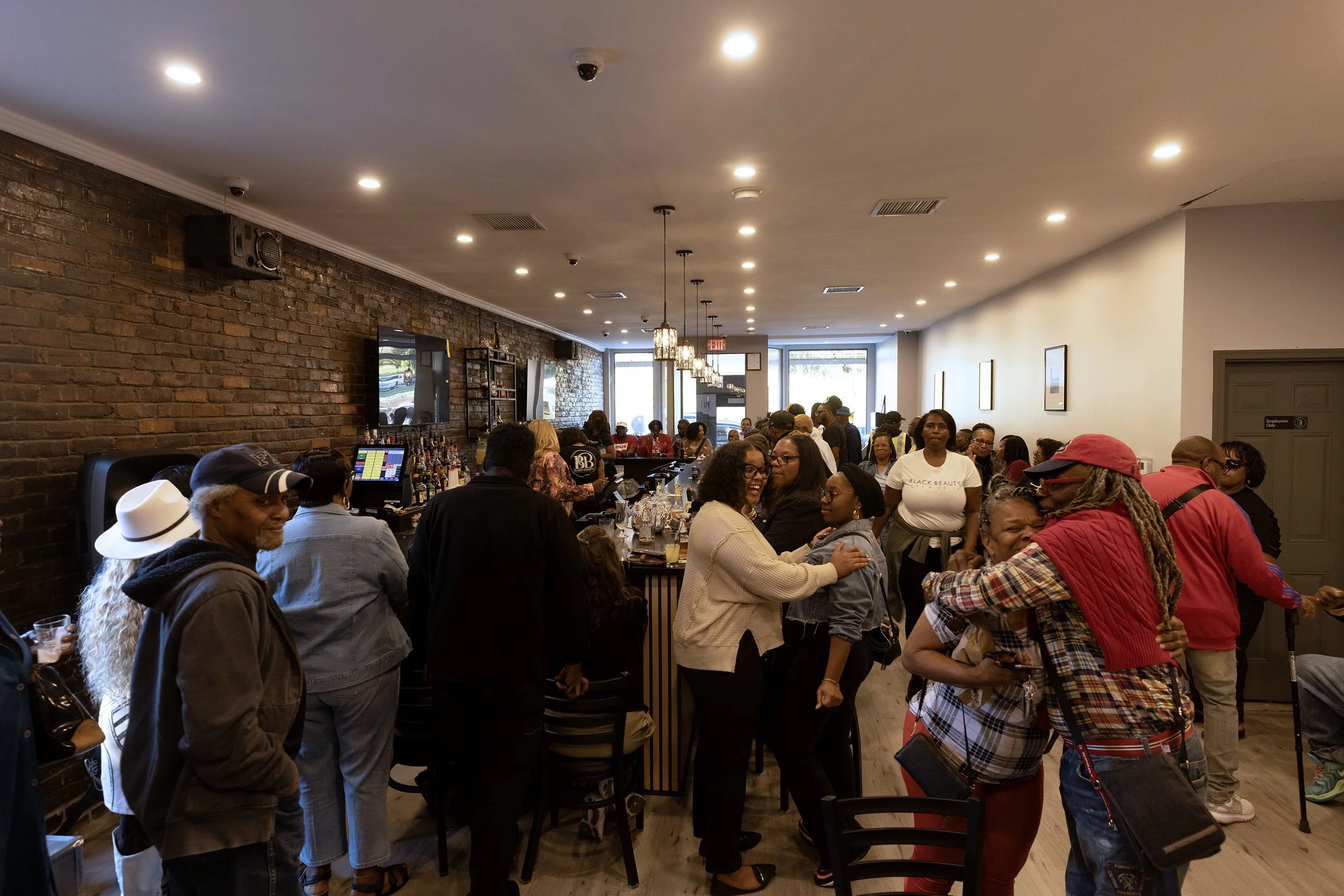
Black Beauty Bar & Grill
Pittsburgh, Pennsylvania
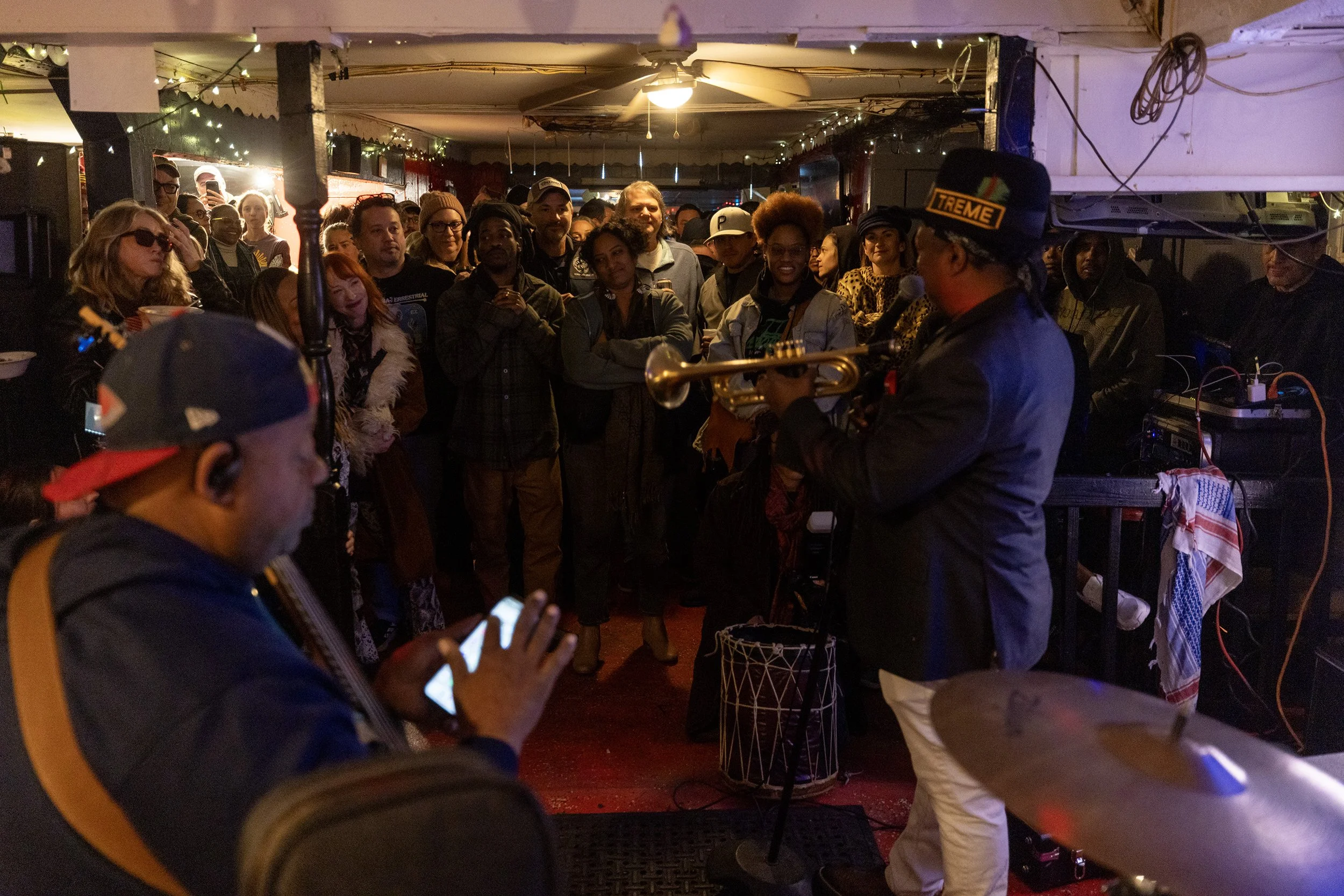
Founded in 1975, Black Beauty Bar & Grill has long served as a gathering place in Pittsburgh's Hill District. After an extended closure caused by structural damage and redevelopment pressures, Roberta "Ms. Bert" Brassell reopened the institution with the support of her children and grandson.
Her story illustrates one possible future for Black cultural institutions: survival through intergenerational stewardship.
Loss
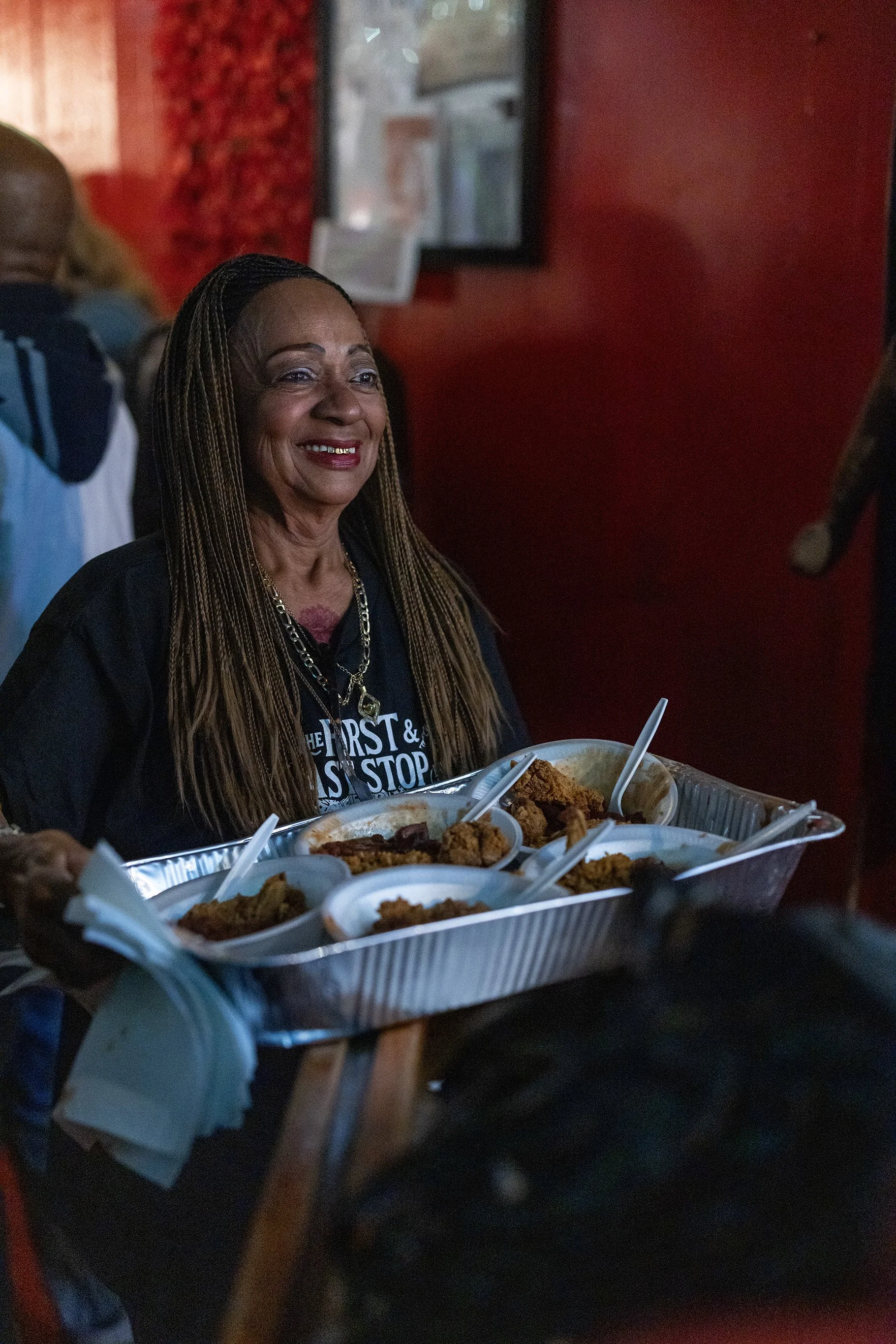
Carolyn Monnie Cushenberry (74)
First & Last Stop
New Orleans, Louisiana
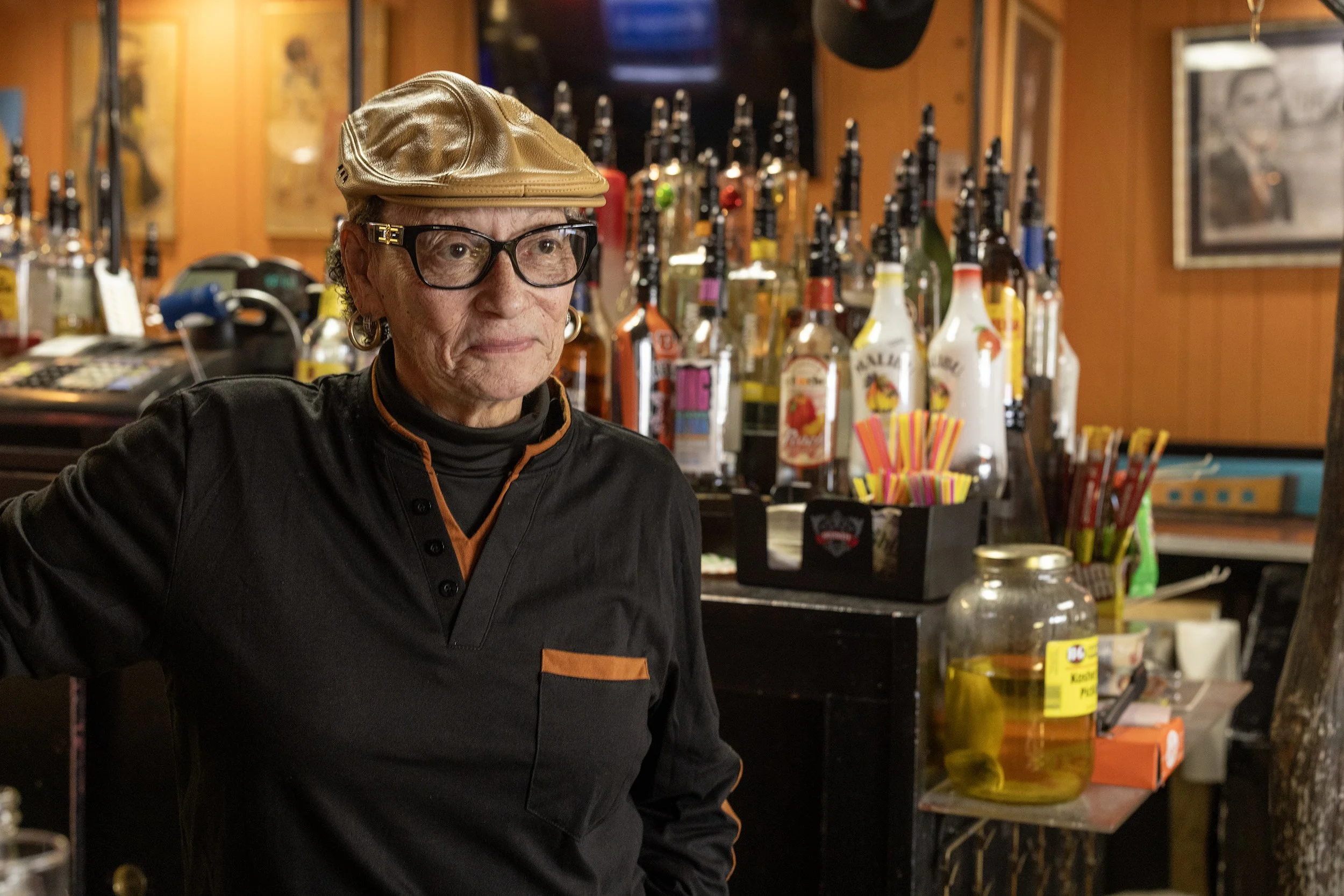
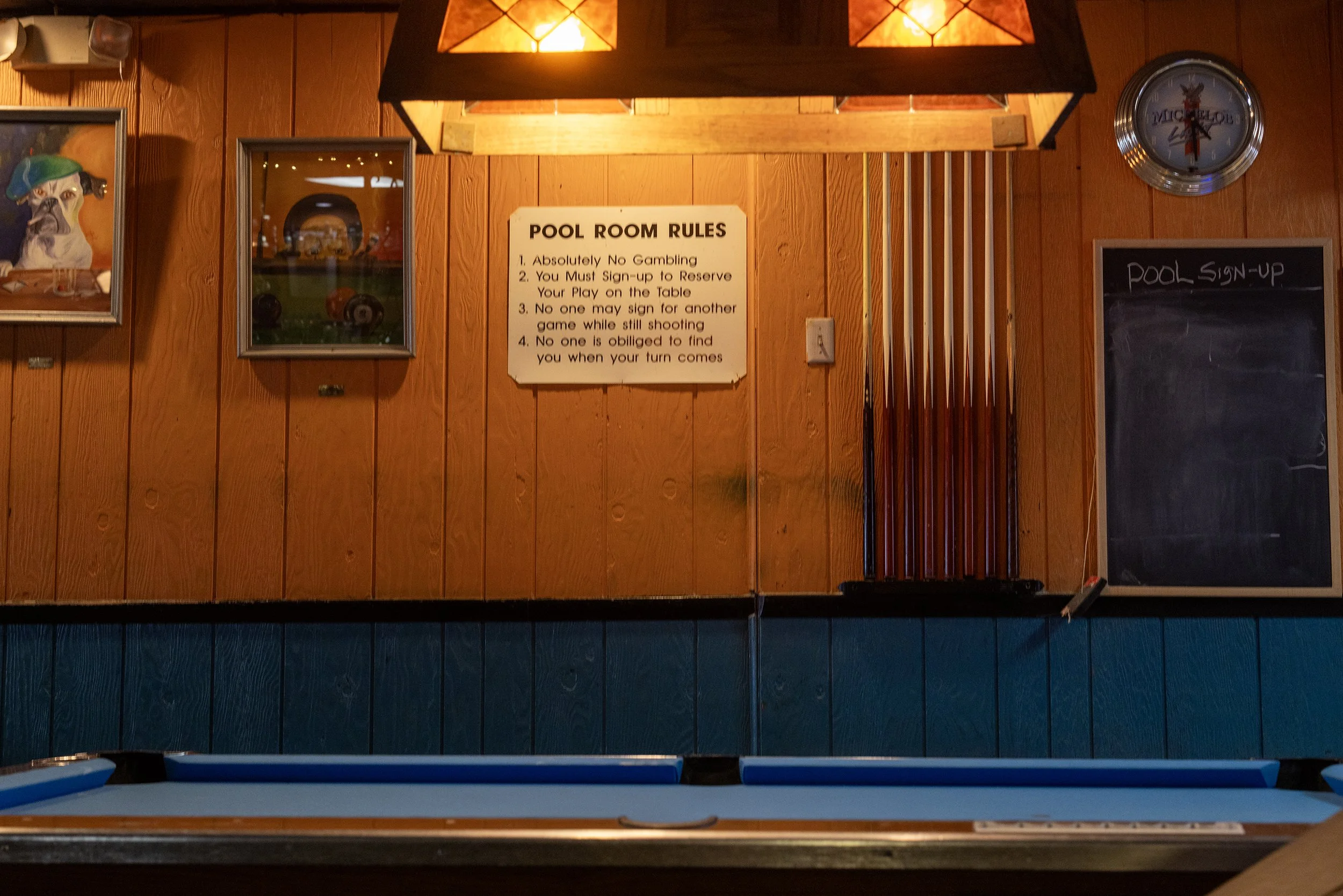
For more than twenty years, Carolyn Monnie Cushenberry operated First & Last Stop in New Orleans' Seventh Ward. The building had housed Black bars for roughly seventy-five years before a dispute over ownership and tenancy led to its closure.
The loss of First & Last Stop reflects the vulnerability of institutions that carry cultural significance but lack long-term ownership security.
Continuity
Gail Barnett
The Canabar
Columbus, Ohio
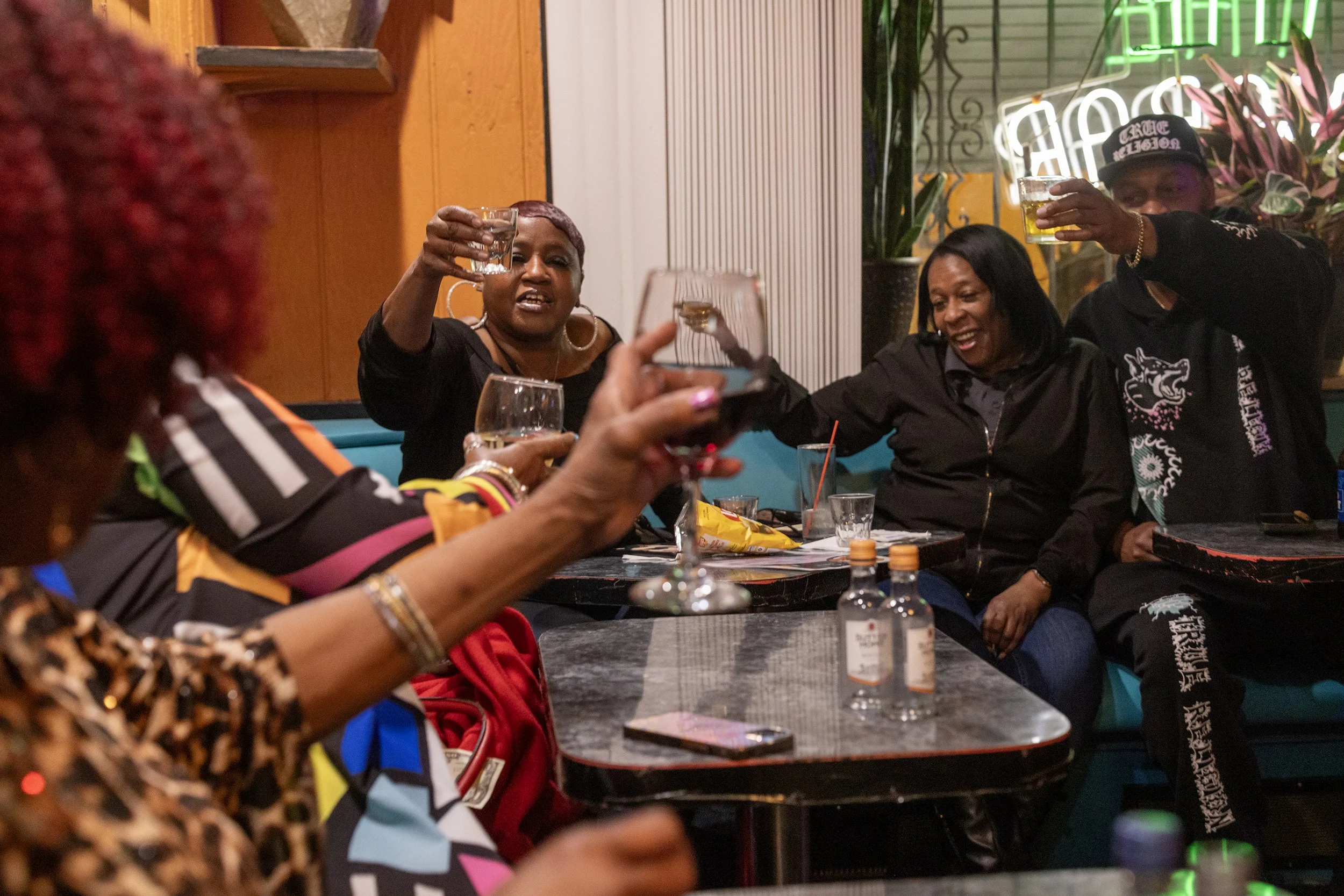
The Canabar has remained in the Barnett family since 1962. As neighborhoods change and independent Black-owned establishments become increasingly rare, Gail Barnett continues to steward a business that has served generations of patrons.
The Canabar represents continuity—a cultural institution that remains active while navigating the pressures of a changing city.
STEWARDSHIP, NOT DISAPPEARANCE
The Ecosystem Behind the Bars
Across cities, Black neighborhood bars are entering a period of transition. While older Black women have emerged as some of the most consistent stewards in my reporting, the broader ecosystem also includes legacy proprietors and a small but notable group of younger professionals entering ownership through preservation, investment, and community development.
In New Orleans, figures such as Curtis Doucette Jr., owner and developer of the Dew Drop Inn, and attorney Daryl A. Gray, whose recent involvement with Sweet Lorraine's Jazz Club reflected a commitment to preserving an important cultural institution, represent a different pathway into ownership and stewardship. Unlike many traditional operators, their backgrounds originate outside the food and beverage industry, suggesting that some Black cultural venues are increasingly being viewed as community assets worthy of preservation and long-term investment.
Despite facing similar challenges—including rising costs, redevelopment pressure, shrinking customer bases, and uncertain succession pathways—many owners and operators remain isolated from one another, with little formal infrastructure for collective survival, knowledge transfer, or coordinated advocacy.
The question facing these institutions is not simply whether they will survive, but who will inherit them, and what forms of stewardship will sustain them into the future.


MULTIMEDIA
Sound, Motion, and Memory
Audio
Theresa Elloie, Sportsman's Corner
New Orleans, Louisiana
Recorded in February 2020, one month before her death from COVID-19, this interview captures second-generation owner Theresa Elloie reflecting on a family business established by her father in the 1960s and continued today by the third generation.
An Excerpt from “A Venerable Tradition, Footworkin’ on a Tepid Existence”
Total Run Time: 28 Minutes
Video
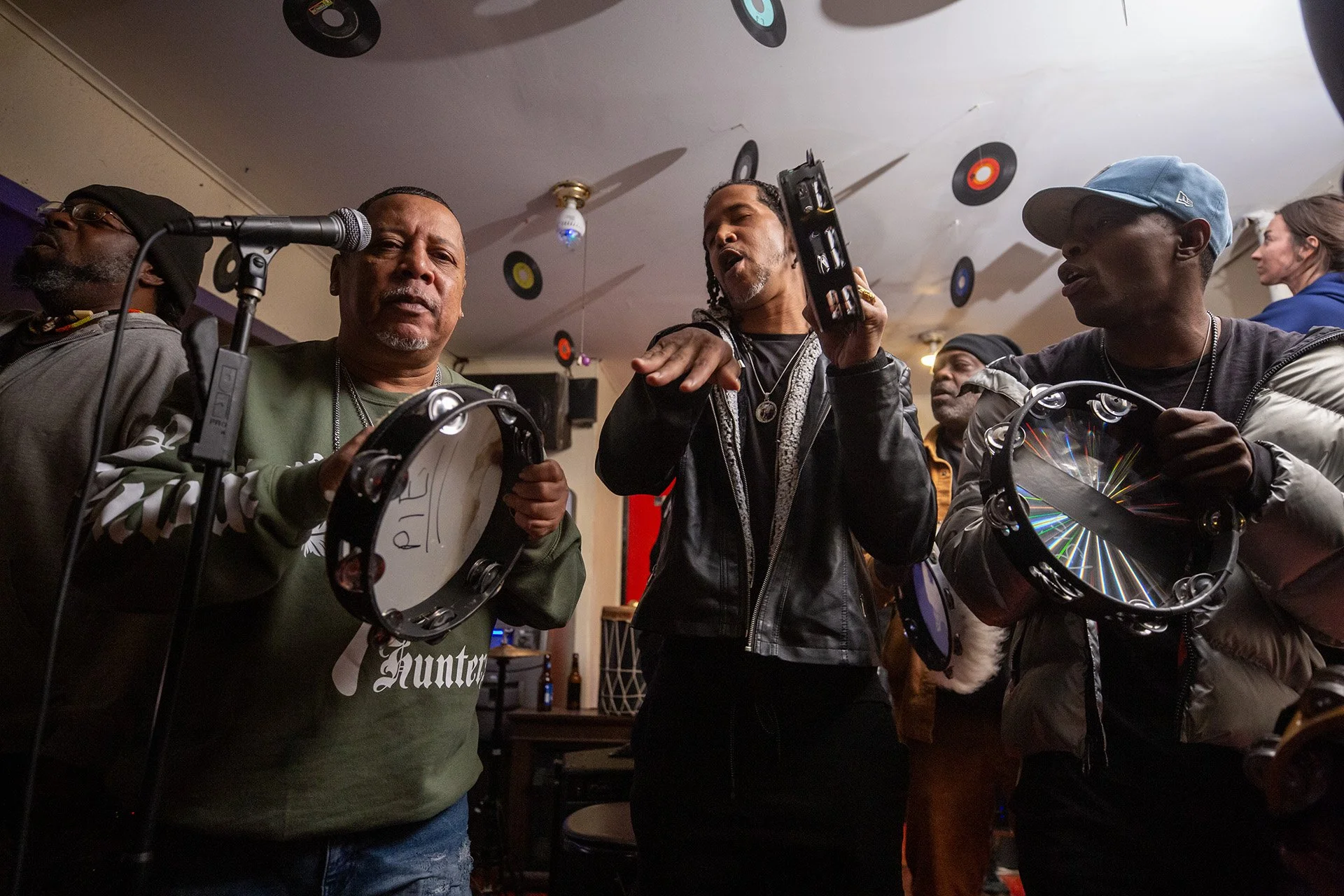
Mardi Gras Morning at First & Last Stop
New Orleans, Louisiana
Recorded February 2025, during what would become the final Carnival under Carolyn “Monnie” Cushenberry's ownership, this footage documents a longstanding neighborhood tradition with the Monogram Hunters Black Masking Indians before the bar's closure.
Across the Diaspora
Additional Locations
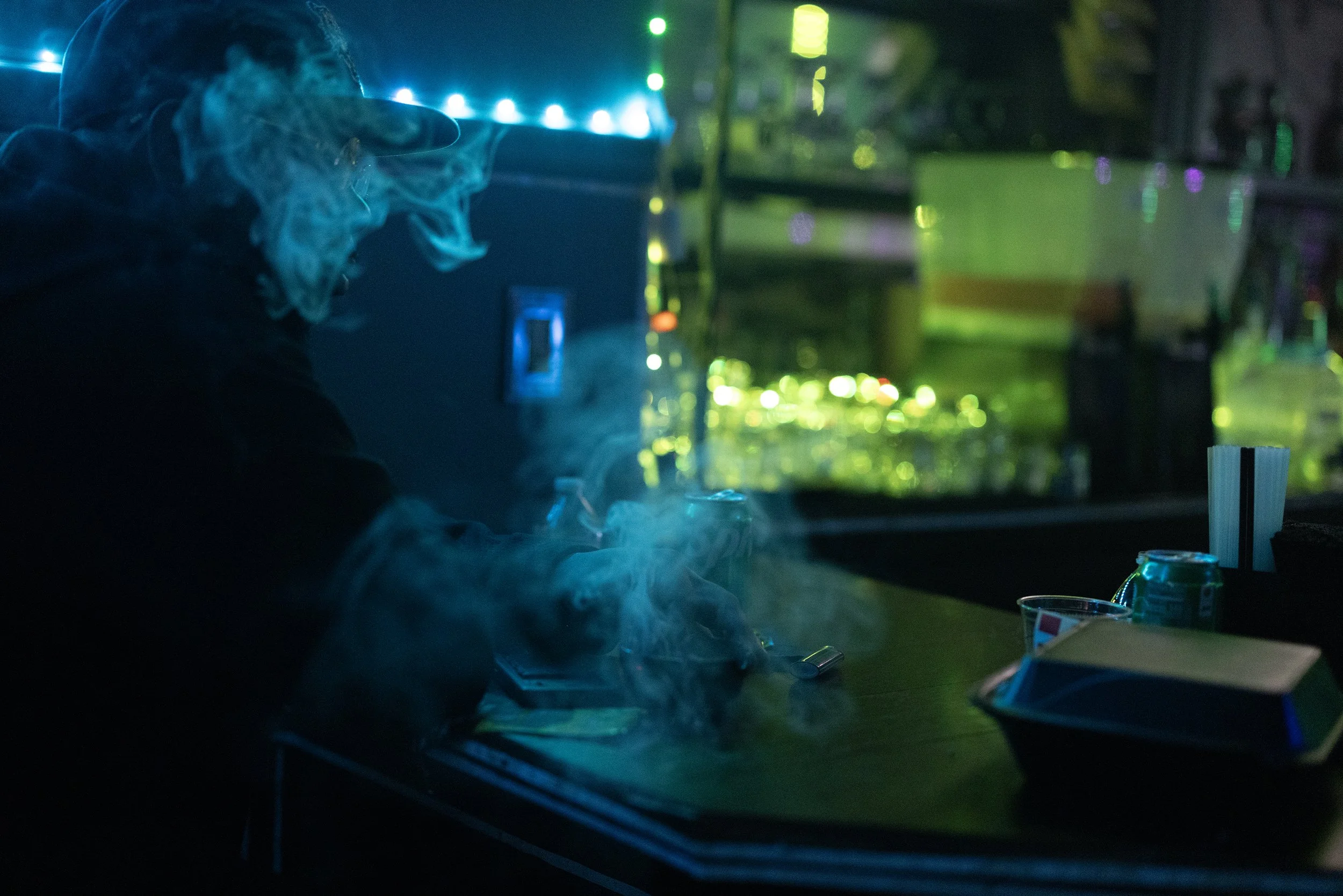
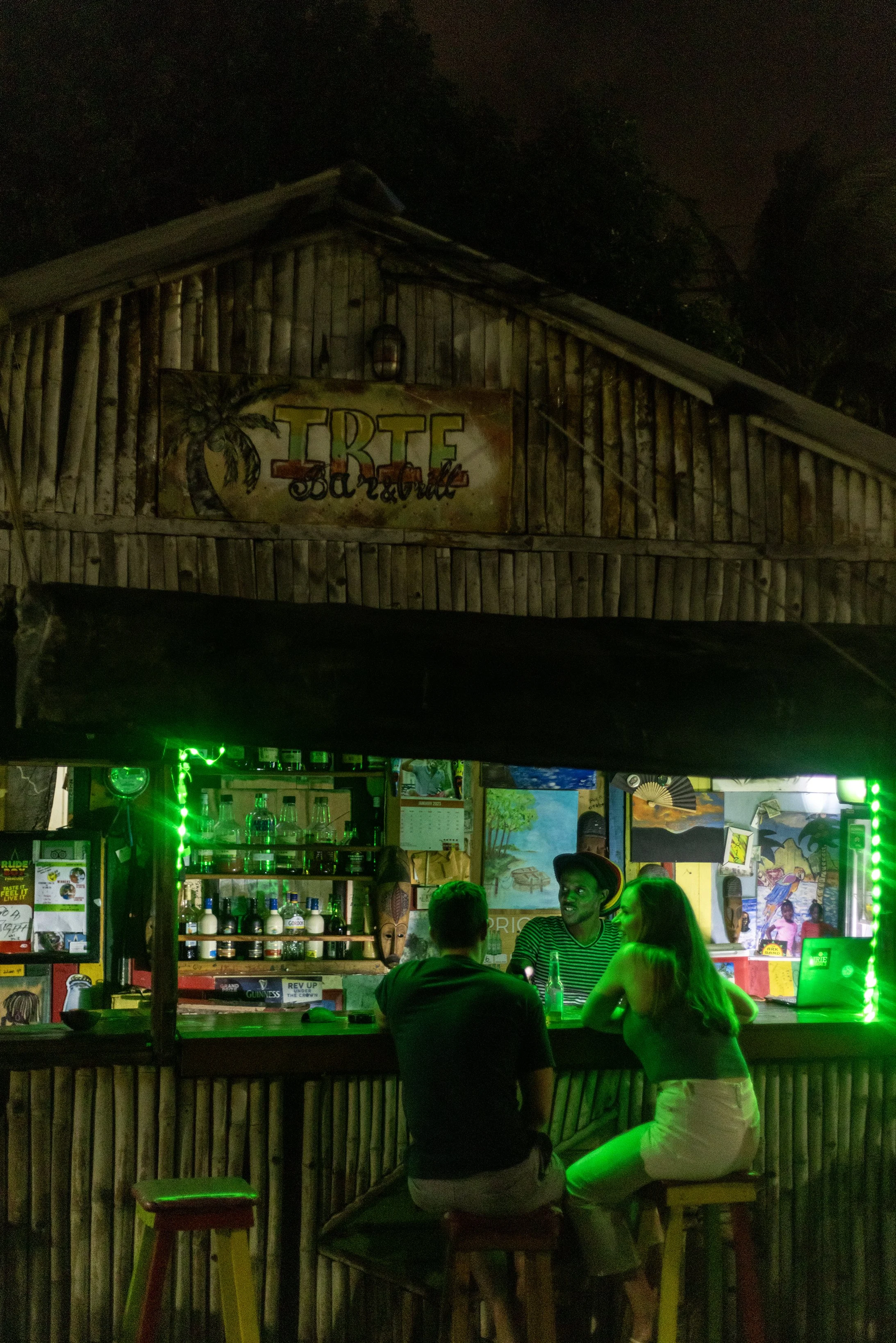
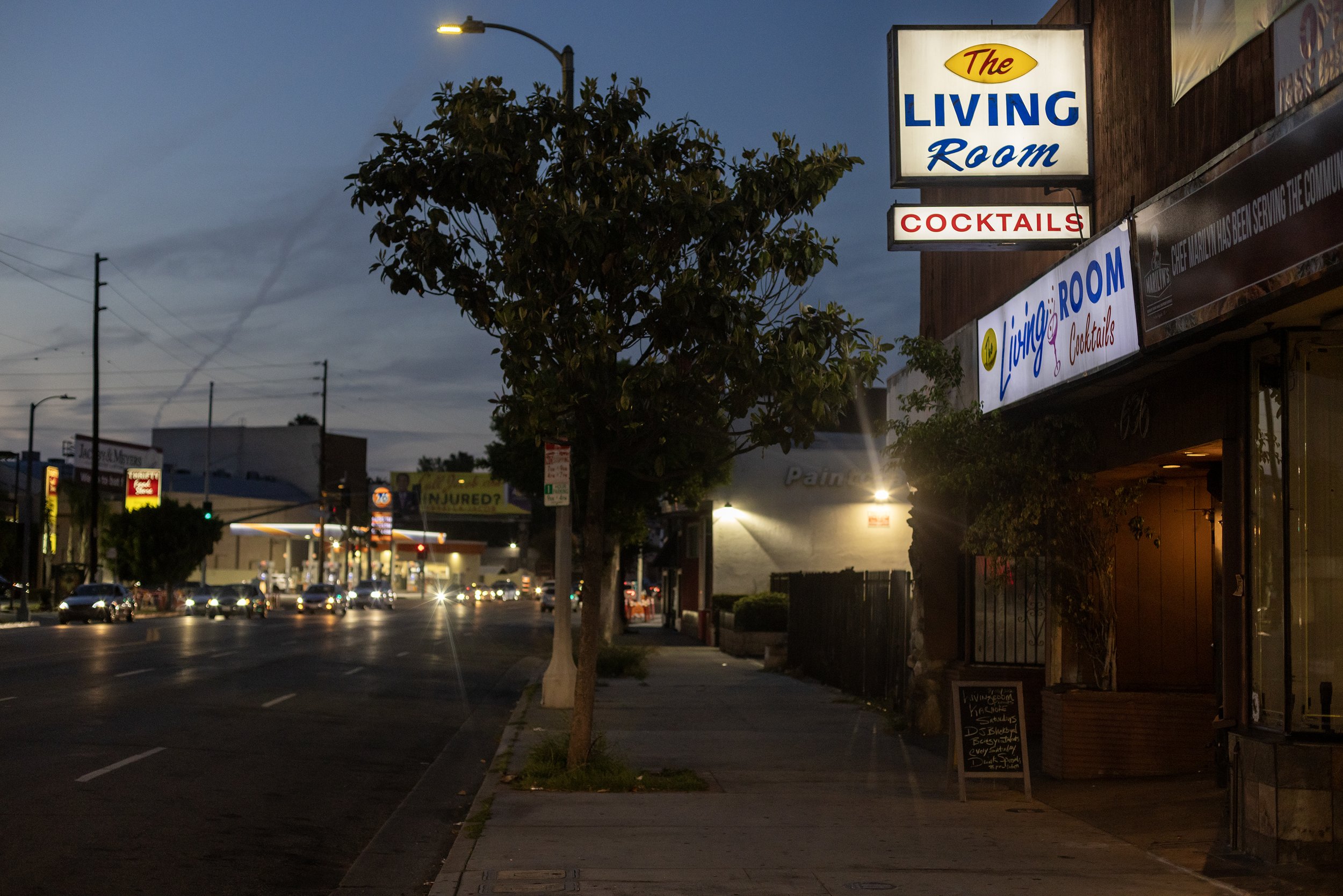
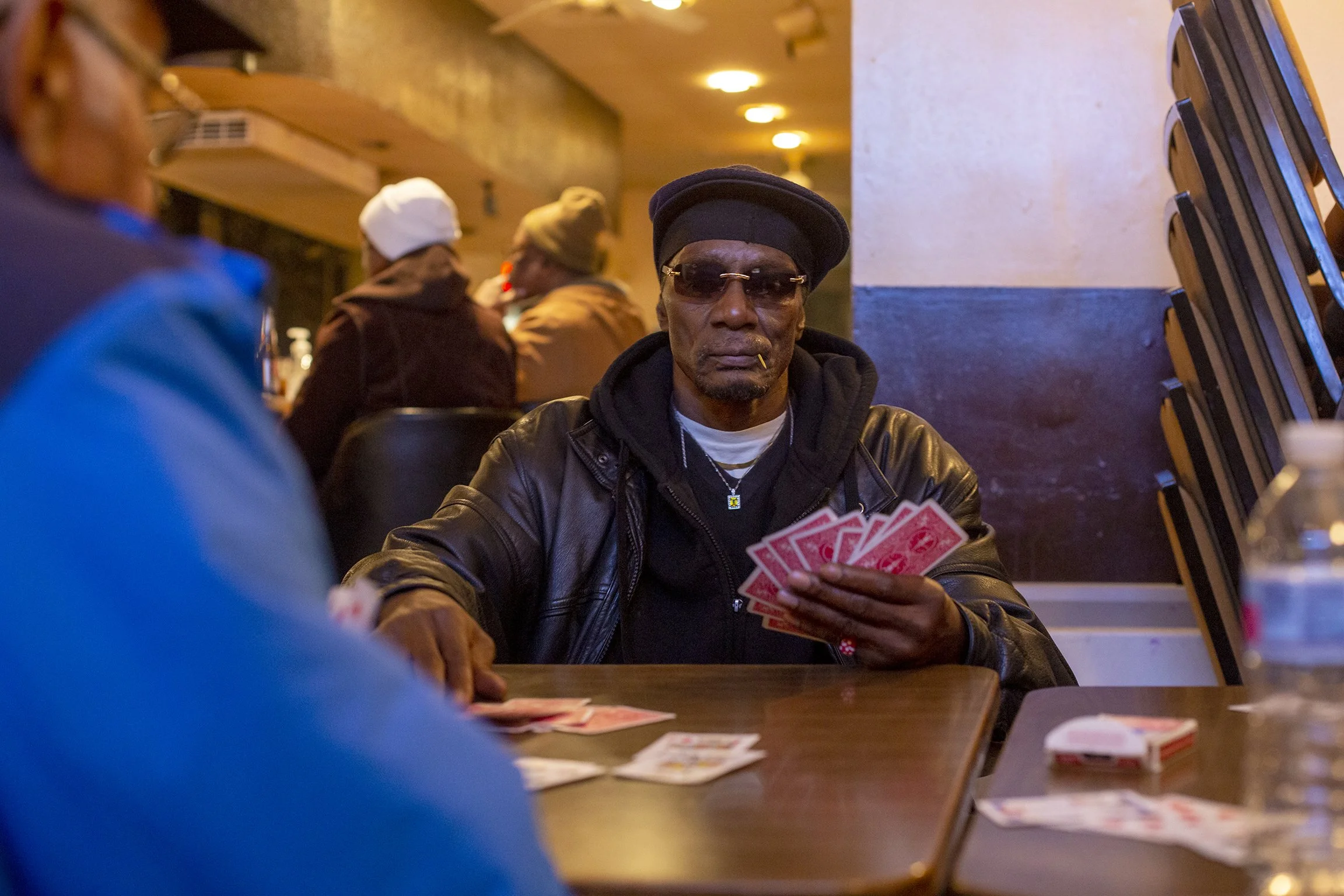
Questions of stewardship, succession, preservation, and cultural memory have emerged throughout my reporting in:
Detroit
Chicago
Los Angeles
Clarksdale
St. Lucia
The Central Question
The question is not simply what will be lost, but who will inherit these institutions and what forms of stewardship will sustain them into the future.
Then:
| Institution | Outcome |
|---|---|
| Black Beauty | Survival |
| First & Last Stop | Loss |
| Canabar | Continuity |
| Sportsman's Corner | Succession |